The centenary of gold, or “centenario de oro,” represents a significant milestone not only in the history of the precious metal but also in the economic landscape that surrounds it. As we celebrate this important anniversary, it becomes essential to examine how the prices of gold have fluctuated over the years, influencing both investors and everyday consumers. This article delves into the various factors affecting gold prices, a historical perspective on pricing trends, and the implications for investors and collectors alike.
Understanding the Centenario de Oro

The centenario de oro is a gold coin that was first minted in Mexico in 1921 to commemorate the centenary of Mexico’s independence. Weighing approximately 37.5 grams and containing 1.2057 ounces of pure gold, it has become a popular investment vehicle and collector’s item. Its significance goes beyond its monetary value, reflecting historical events, economic conditions, and cultural narratives.
A Historical Perspective on Gold Prices

To truly appreciate the centenario de oro’s value, it is crucial to understand how gold prices have evolved over the decades. Historical data reveals intriguing trends:
- 1920s-1930s: The price of gold was fixed at $20.67 per ounce until 1933, when the U.S. government devalued the dollar and raised the price to $35 per ounce.
- 1970s: The decade saw significant inflation and economic uncertainty, leading to a surge in gold prices, which reached $850 per ounce by 1980.
- 2000s: After a long period of relative stability, gold prices began to climb significantly, surpassing $1,000 per ounce in 2008 amid the global financial crisis.
- 2010s: The price peaked at around $1,900 per ounce in 2012 before gradually declining to about $1,200 by the end of the decade.
- 2020s: The COVID-19 pandemic prompted another surge in gold prices, reaching new heights of over $2,000 per ounce in August 2020.
Factors Influencing Gold Prices
Understanding the fluctuations in gold prices requires an examination of various influencing factors. Some of the most significant include:
- Economic Indicators: Inflation rates, interest rates, and currency strength directly impact gold prices. For instance, when interest rates are low, gold becomes more attractive as an investment.
- Geopolitical Events: Wars, political instability, and crises often lead to increased demand for gold as a “safe haven” asset.
- Supply and Demand: The availability of gold and its demand in various industries, such as electronics and jewelry, can cause price fluctuations.
- Market Sentiment: Investor psychology plays a crucial role; fear and uncertainty can drive up demand and prices.
Case Study: The 2008 Financial Crisis

The 2008 financial crisis serves as a compelling case study for understanding the dynamics of gold pricing. As the stock market plummeted and economic uncertainty gripped the globe, investors sought refuge in gold. The price surged from approximately $800 per ounce in early 2008 to over $1,900 by late 2012.
This period highlighted gold’s role as a hedge against economic turmoil. According to the World Gold Council, global demand for gold rose significantly during this time, with central banks becoming net buyers of gold for the first time in decades. This shift in demand not only drove prices up but also cemented gold’s status as a reliable store of value.
Comparative Price Analysis Over the Years
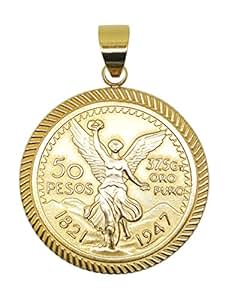
To illustrate the evolution of gold prices, let’s compare the price of the centenario de oro across different time periods:
- 1921: The centenario was valued at the equivalent of $20.67 per ounce.
- 1980: By this time, gold prices had ballooned to $850 per ounce, valuing the centenario at approximately $1,025.
- 2012: Gold peaked at around $1,900 per ounce, valuing the centenario at nearly $2,280.
- 2020: During the pandemic, gold prices soared to over $2,000 per ounce, pushing the value of the centenario beyond $2,400.
This trend highlights not only the appreciation of gold but also the powerful impact of global events on its valuation. Each spike in price corresponds to significant economic or political developments, reinforcing the idea that gold acts as a reliable refuge during turbulent times.
Investing in the Centenario de Oro

For both investors and collectors, the centenario de oro represents an attractive option. Its historical significance, combined with its intrinsic value, makes it a unique asset. Here are some key considerations when investing in this gold coin:
- Historical Value: The centenario is not just a piece of gold; it carries historical weight that can enhance its value over time.
- Market Demand: As interest in gold continues to rise, the demand for specific coins like the centenario can drive prices higher.
- Liquidity: Gold coins are generally easier to sell than other forms of gold, such as bullion, due to their recognized value.
- Storage and Security: Physical gold requires secure storage, which can add to the overall cost of investment.
The Enduring Value of the Centenario de Oro

The centenario de oro has transcended its initial purpose as a commemorative coin, evolving into a significant investment vehicle that reflects broader economic trends. As we celebrate its golden centenary, it is essential to recognize the fluctuating nature of gold prices influenced by a myriad of factors, including economic conditions, geopolitical events, and market sentiment.
Understanding the historical context and price dynamics of gold, particularly the centenario, can provide valuable insights for investors and collectors. With its enduring appeal and potential for appreciation, the centenario de oro remains a compelling choice in the ever-evolving world of precious metals. As we move forward, the lessons learned from past price movements will continue to shape the future of gold investment.