Maintaining a balanced diet is crucial for overall health and well-being. The foods we consume provide essential nutrients that our bodies need to function optimally. In this article, we will explore ten essential nutrients that are vital for a balanced diet, their benefits, sources, and the consequences of deficiencies. Understanding these nutrients can empower you to make informed dietary choices.
1. Carbohydrates: The Body’s Primary Energy Source

Carbohydrates are the body’s main source of energy, fueling everything from your brain to your muscles. They are categorized into simple and complex carbohydrates.
- Simple Carbohydrates: Found in fruits, milk, and sweeteners like honey and sugar.
- Complex Carbohydrates: Found in whole grains, legumes, and starchy vegetables.
The Dietary Guidelines for Americans recommend that 45-65% of total daily calories come from carbohydrates. A diet rich in whole grains can help reduce the risk of chronic diseases, such as heart disease and diabetes.
2. Proteins: The Building Blocks of Life
Proteins are essential for growth, repair, and maintenance of tissues. They are made up of amino acids, nine of which are essential and must be obtained through diet.
- Animal Sources: Meat, fish, eggs, and dairy products.
- Plant Sources: Legumes, nuts, seeds, and whole grains.
According to the Institute of Medicine, adults should aim for 10-35% of their daily calories from protein. A balanced intake helps maintain muscle mass, supports immune function, and aids in hormone regulation.
3. Fats: Not All Fats Are Created Equal
Fats are a concentrated source of energy and are crucial for absorbing fat-soluble vitamins (A, D, E, and K). However, the type of fat consumed is important.
- Saturated Fats: Found in red meat and full-fat dairy products; should be limited.
- Unsaturated Fats: Found in avocados, nuts, and olive oil; considered heart-healthy.
- Trans Fats: Found in some processed foods; should be avoided.
The American Heart Association recommends that fats make up 20-35% of total daily calories, emphasizing the importance of unsaturated fats for heart health.
4. Vitamins: Micronutrients for Vital Processes
Vitamins are organic compounds that play various roles in bodily functions. Each vitamin has specific functions and food sources.
- Vitamin A: Supports vision and immune function; found in carrots and sweet potatoes.
- Vitamin C: Important for skin health and immune function; found in citrus fruits and bell peppers.
- Vitamin D: Crucial for bone health; obtained from sunlight, fatty fish, and fortified foods.
Deficiencies in vitamins can lead to health issues. For example, a lack of Vitamin D can result in weakened bones, while insufficient Vitamin C can lead to scurvy, characterized by fatigue and gum disease.
5. Minerals: Essential Elements for Health

Minerals are inorganic elements that support various bodily functions, including bone health, fluid balance, and nerve signaling.
- Calcium: Essential for strong bones; found in dairy products and leafy greens.
- Iron: Vital for oxygen transport in the blood; found in red meat, beans, and fortified cereals.
- Magnesium: Important for muscle and nerve function; found in nuts and whole grains.
The National Institutes of Health (NIH) reports that deficiencies in minerals like iron can lead to anemia, causing fatigue and weakness.
6. Fiber: The Unsung Hero of Digestive Health

Dietary fiber is crucial for maintaining a healthy digestive system. It helps regulate bowel movements and can aid in weight management.
- Soluble Fiber: Found in oats, beans, and fruits; helps lower cholesterol.
- Insoluble Fiber: Found in whole grains and vegetables; promotes regularity.
The recommended daily intake of fiber is 25 grams for women and 38 grams for men. A high-fiber diet can lower the risk of heart disease, type 2 diabetes, and certain cancers.
7. Water: The Essential Nutrient

Water is often overlooked but is essential for life. It plays a role in every bodily function, from regulating temperature to transporting nutrients.
- Hydration: Helps maintain physical performance and cognitive function.
- Weight Management: Drinking water can promote satiety and reduce calorie intake.
It is recommended that men consume about 3.7 liters and women about 2.7 liters of total water daily, including all beverages and food sources.
8. Antioxidants: Protectors Against Oxidative Stress
Antioxidants are compounds that protect the body from oxidative stress and free radical damage. They are primarily found in fruits and vegetables.
- Vitamin E: Found in nuts and seeds; protects cell membranes.
- Vitamin C: Found in fruits and vegetables; helps regenerate other antioxidants.
- Flavonoids: Found in berries, tea, and dark chocolate; have anti-inflammatory properties.
A diet rich in antioxidants can help reduce the risk of chronic diseases, including heart disease and cancer.
9. Phytochemicals: The Power of Plant Compounds
Phytochemicals are naturally occurring compounds in plants that offer health benefits. They are not essential nutrients but can play a significant role in health.
- Carotenoids: Found in carrots and spinach; may help reduce the risk of certain cancers.
- Polyphenols: Found in tea and berries; may improve heart health.
Incorporating a variety of colorful fruits and vegetables into your diet can increase your intake of phytochemicals and contribute to better health outcomes.
10. Omega-3 Fatty Acids: Heart-Healthy Fats
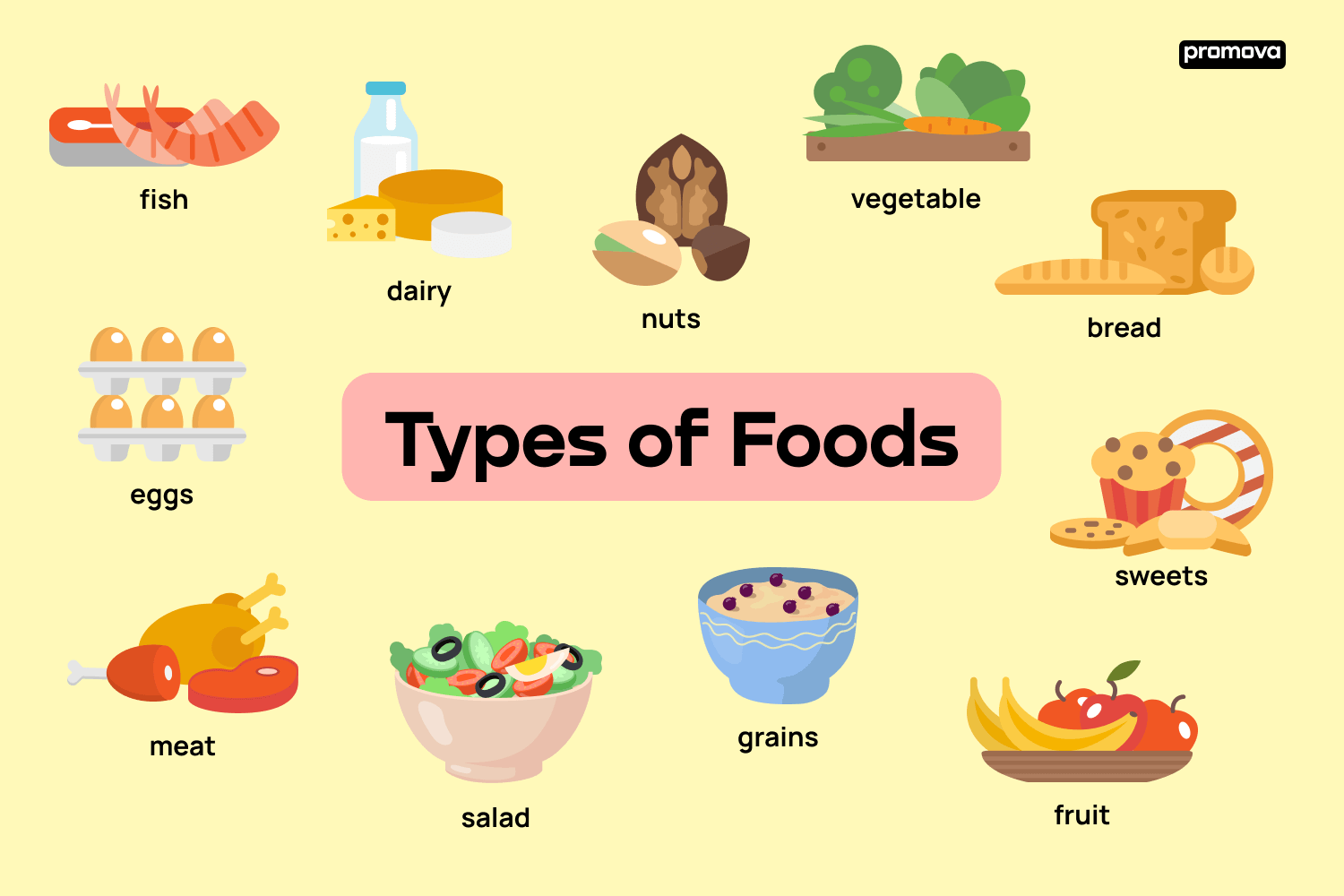
Omega-3 fatty acids are essential fats that play a crucial role in brain health and reducing inflammation. They are primarily found in fatty fish.
- Sources: Salmon, mackerel, walnuts, and flaxseeds.
- Benefits: May reduce the risk of heart disease and improve cognitive function.
The American Heart Association recommends consuming at least two servings of fatty fish per week to reap the benefits of omega-3 fatty acids.
A Holistic Approach to Nutrition

In conclusion, understanding and incorporating these ten essential nutrients into your diet is vital for achieving a balanced and healthy lifestyle. Each nutrient plays a unique role in maintaining bodily functions and preventing diseases. By focusing on a diverse range of foods that provide these nutrients—such as whole grains, lean proteins, healthy fats, fruits, and vegetables—you can support your overall health and well-being.
Remember that a balanced diet is not a one-size-fits-all approach; individual needs may vary based on age, gender, activity level, and health conditions. Consulting with a healthcare provider or a registered dietitian can help you tailor a nutrition plan that meets your specific needs. Embrace the power of food as medicine, and make informed choices that nourish your body and mind.